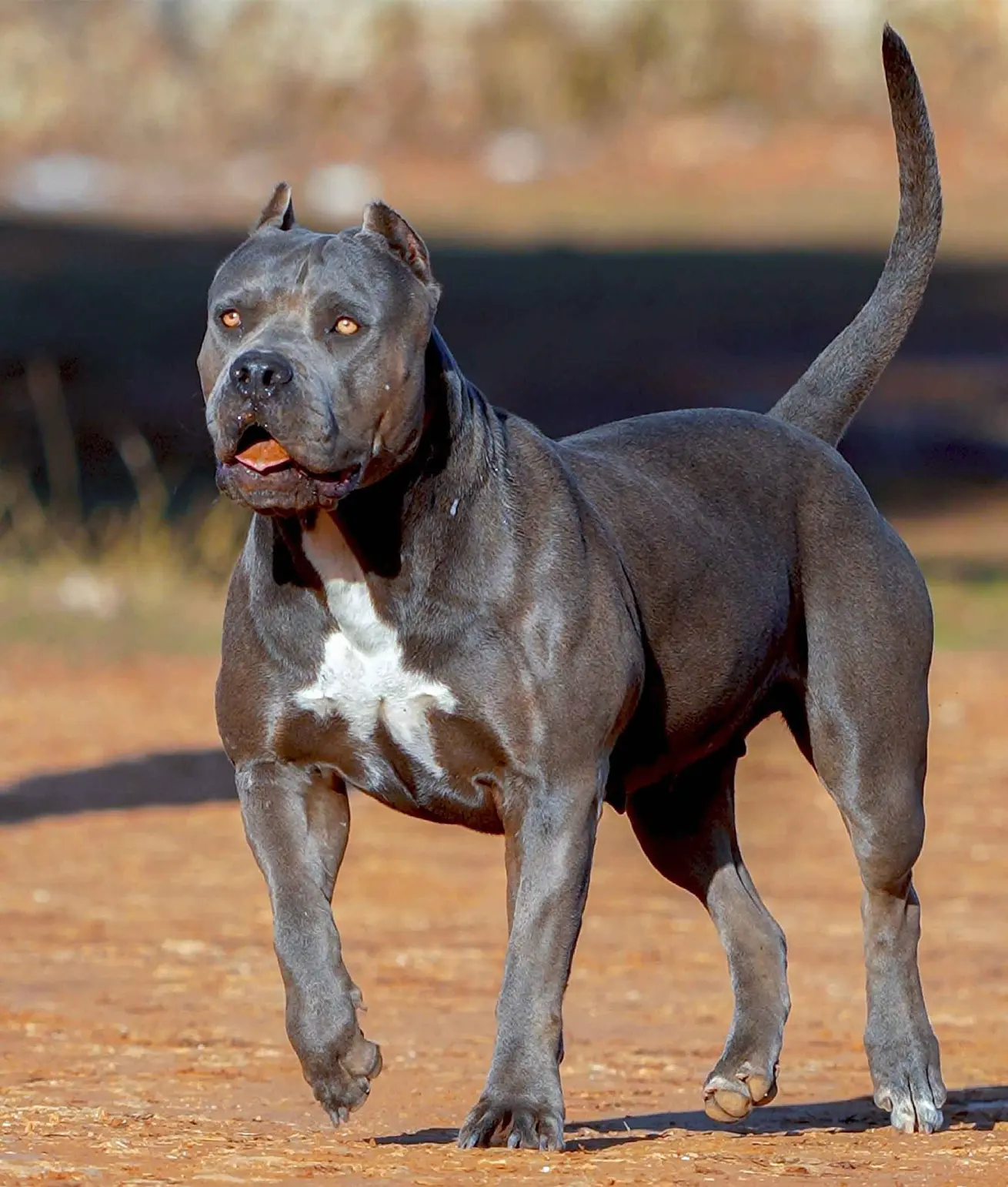
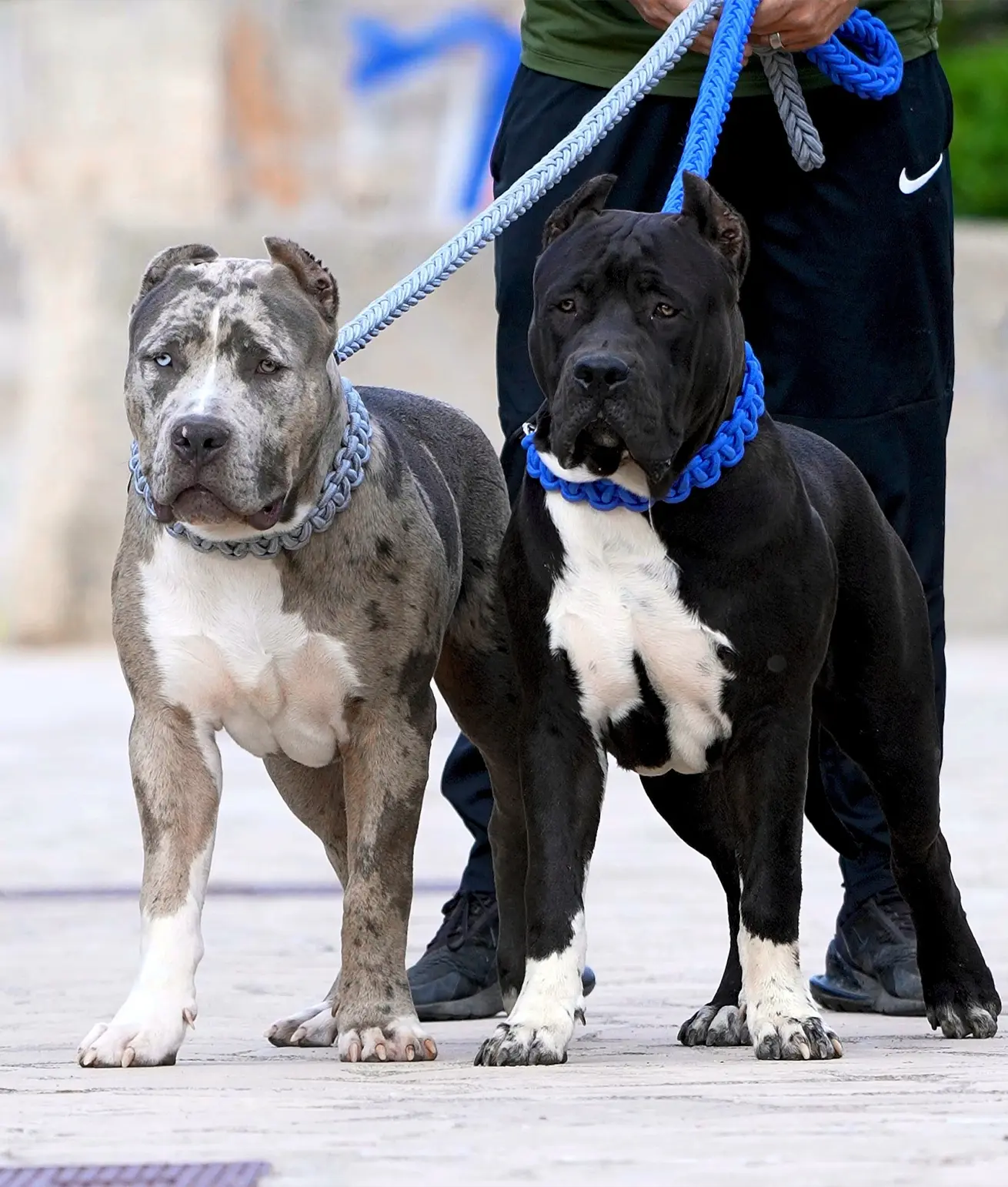
The American Bully combines an impressive presence with a people-oriented temperament. On this page, you'll learn what makes this breed special, what to look for in XXL Bullys, and when a Bully is truly the right fit for you.
The American Bully is a powerful, people-oriented dog with a commanding presence, a close bond with humans, and a strong personality. Its appearance is impressive—but what really matters are its lineage, upbringing, temperament, and responsible ownership.
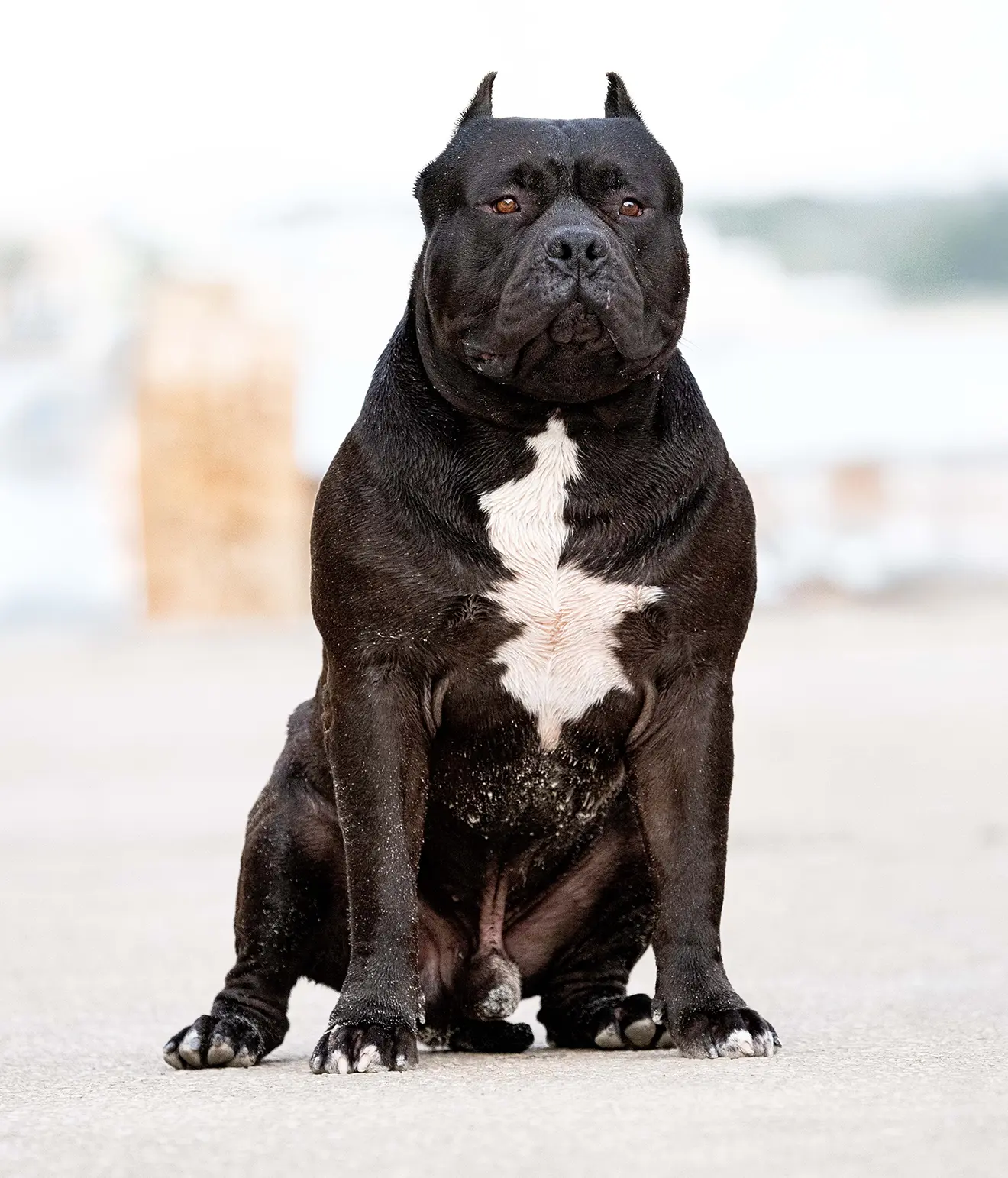
The American Bully was developed as a distinct breed of companion and family dog with a strong build and a stable temperament.
A broad head, a muscular body, and a distinctive expression characterize this type.
Despite their imposing appearance, many Bullys are very people-oriented, loyal, sensitive, and often very attached to their primary caregiver.
A Bully needs clear leadership, time, socialization, and a home that suits its strength and nature.
An American Bully is not a fashion accessory, but a strong companion that offers affection, character, and a sense of responsibility.
The American Bully is often judged solely on its appearance. In reality, it’s its temperament that matters: a close bond with humans, loyalty, sensitivity, and clear, responsible guidance in everyday life.
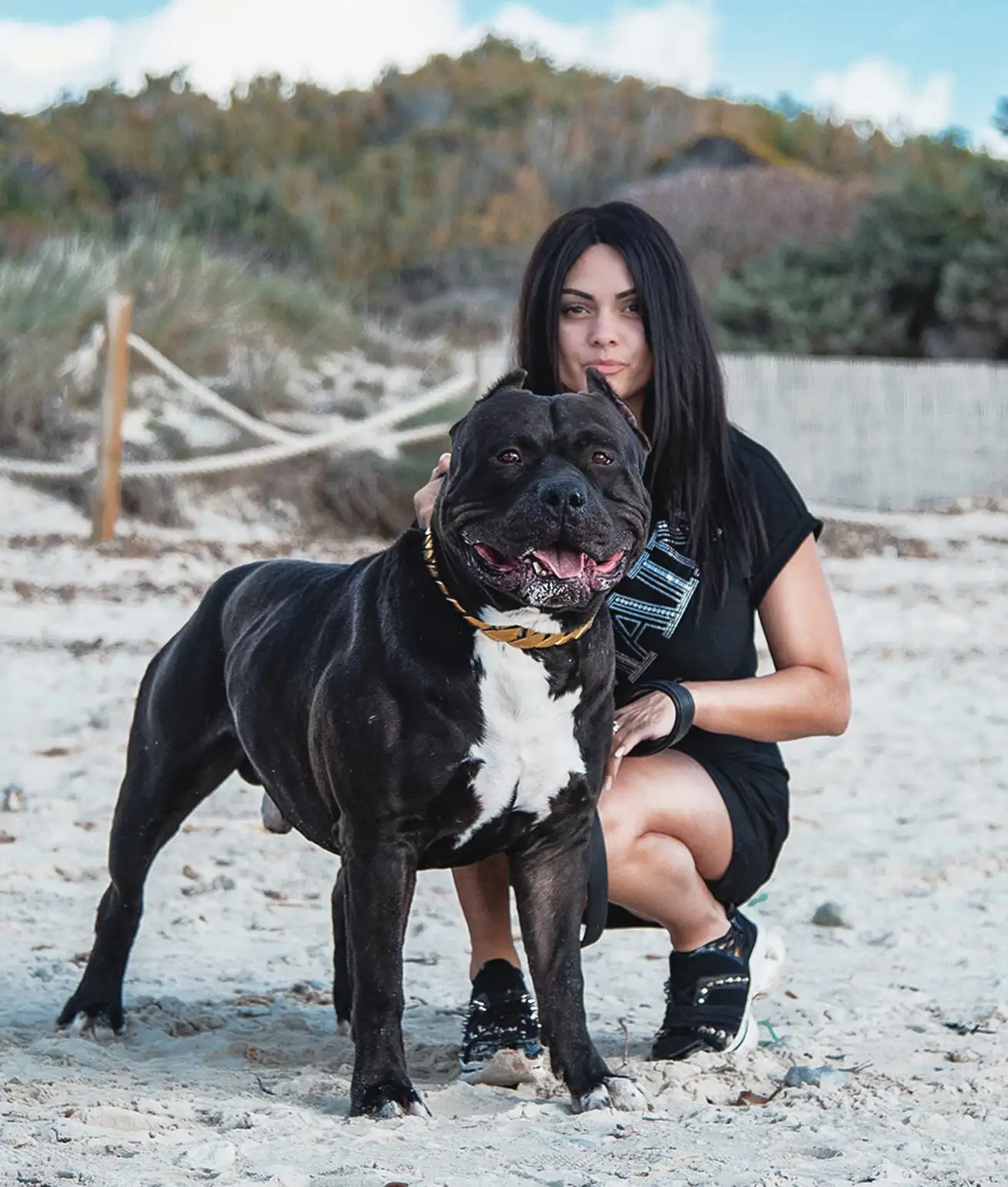
Many Bullys actively seek closeness with their humans and want to be part of their daily lives. Closeness, bonding, and trust are especially important to these dogs.
Closeness & Bonding
A Bully can come across as very commanding, but often responds sensitively to mood, leadership, and how it is treated. Strength and sensitivity go hand in hand in this breed.
Presence & Emotion
Clear rules, structure, and confident leadership are more important than harshness or pressure. A Bully needs people who are calm, consistent, and reliable.
Structure & TrustIt's not the strongest dog that's the best dog—it's the one that's understood, properly socialized, and well-trained.
The history of the American Bully did not begin by chance, but rather through deliberate selective breeding. From the very beginning, the goal was to develop a dog that combined a powerful appearance, a strong presence, and a calmer, people-oriented temperament.
The American Bully has been selectively bred in the United States since the early 1990s. The focus was not only on strength but also on a more balanced temperament.
This breed originally developed through rigorous selection from lines of the American Pit Bull Terrier and the American Staffordshire Terrier.
The goal was to breed a dog with a calmer, more stable temperament, a strong bond with people, and a commanding presence typical of the breed standard.
A good American Bully isn't just about physique. Selection, temperament, breeding, health, and responsible ownership are crucial.
The American Bully is known for its powerful appearance—but that’s only part of the picture. Temperament, lineage, and responsible breeding determine whether that strength will result in a well-balanced companion.
A pedigree is more than just a list of known dogs. It becomes truly interesting when you understand which traits are passed down through parents, grandparents, and bloodlines —and whether the type, health, temperament, and breeding goals are a good fit.
What matters is not just a single well-known name, but the quality that has been evident over several generations.
Body type, head shape, height, color, and temperament can be inherited to varying degrees through genetic lines.
Good breeding isn't the result of trendy names, but of suitable pairings, clear goals, and honest selection.
A pedigree helps you better understand a dog's lineage and breeding history—especially for XL and XXL American Bullys.
That’s why it’s worth looking at both sides: males and females. Only together do they reveal the potential of a mating and which traits are being deliberately combined.
On our male and female dog profiles, you'll find photos, information, bloodlines, and pedigrees for each dog. This will help you better understand the origins of our matings.
A high-quality American Bully is not the result of chance. Key factors include planned matings, carefully selected parents, early socialization, intensive care, and an environment in which puppies can develop in a stable manner.
Not every strong dog is automatically a good breeding dog. The key factors are health, temperament, type, genetics, and the right combination.
Puppies need cleanliness, quiet, interaction, supervision, and a daily routine that makes them feel secure—not just food and a place to sleep.
A Bully's personality isn't shaped only after it arrives in its new home. Interactions, sounds, people, and other dogs all play an important role from an early age.
Responsible breeding requires a lot of effort: planning, care, veterinary care, paperwork, support, guidance, and responsibility that extends beyond the initial placement.
That’s exactly why we’re transparent about our dogs, breeding pairs, and puppies. Anyone looking to buy a Bully shouldn’t just focus on color or size, but also on lineage, breeding practices, and responsibility.
An XXL American Bully doesn't develop in just a few months. Growth, joints, and physical strain, in particular, must be monitored responsibly—especially during the first year of life.
It can take about three years for a bulldog to reach its full size.
Stairs, jumping, being overweight, and improper weight distribution should be consciously avoided.
The hips, elbows, muscles, and diet must be appropriate for the developmental stage.
An XXL American Bully should be strong, but not made unnaturally heavy. Proper development takes time, a balanced diet, appropriate exercise, and responsible handling.
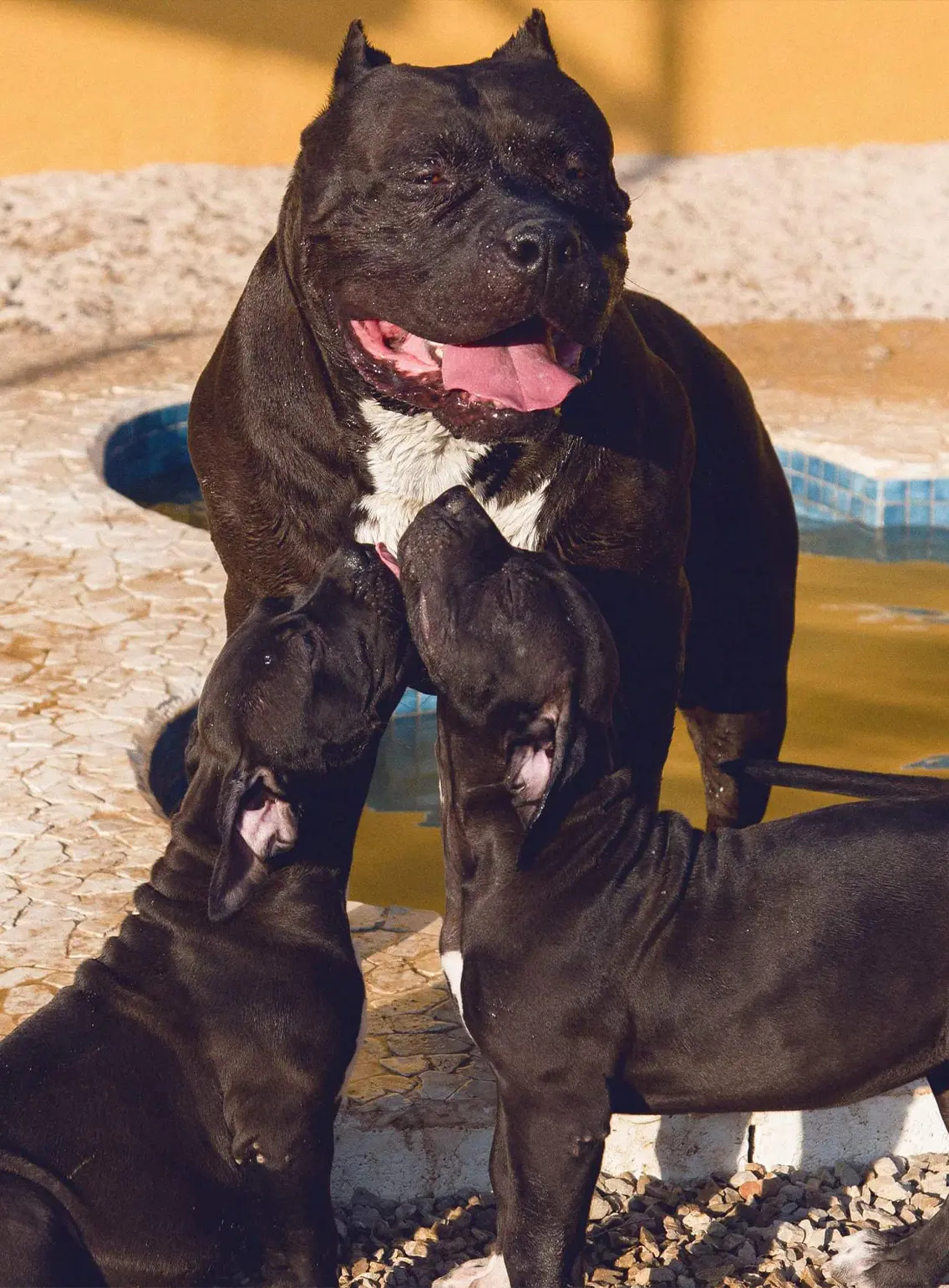
Especially when it comes to strong lines, it's not speed that counts, but steady and healthy development.
When it comes to American Bullies, price differences are not random. Bloodlines, breeding, selection, color, type, rearing, health, documentation, and care can significantly influence a puppy’s value.
A puppy from select bloodlines and a carefully planned mating has a different foundation than one from a random litter.
The selection order, preferred type, special colors, and demand for a specific pairing can all affect the price.
Clean breeding conditions, intensive care, veterinary care, documentation, consultation, and handover are all part of reputable breeding—and not just additional costs.
An American Bully is a long-term commitment. People who are only looking for the lowest price often overlook the very factors that will prove crucial later on: pedigree, health, temperament, breeding practices, and honest care.
A fair price isn't determined solely by a puppy's appearance, but by the total package: bloodline, breeding, rearing, health, documentation, support, and the responsibility that a reputable breeder assumes.
American Bullies are often classified by size and type. Terms such as “Pocket,” “Standard,” “Extreme,” “XL,” or “XXL” primarily describe frame and appearance—but the overall picture, comprising build, temperament, health, and breeding goals, is always the deciding factor.
Shorter and more compact in build, yet still with the typical Bully physique and presence.
A well-balanced dog with a sturdy build, well-defined structure, and the typical Bully expression.
A stronger, more powerful expression—but the balance should still be maintained.
Larger, heavier, and more imposing in appearance—but only valuable if its health and temperament are right.
Size alone does not make a good Bully. An XL/XXL American Bully should look powerful, yet remain sturdy, agile, healthy, and people-oriented.
As with many powerful dog breeds, there are health issues associated with the American Bully that should be taken seriously. What matters most is not fear or stereotypes, but the dog’s lineage, weight, exercise, diet, veterinary care, and a realistic view of the breed.
Joints should be taken seriously, especially in heavy breeds. Growth, weight, and physical strain must be appropriate for the dog's development.
A Bully should be strong, but not made artificially heavy. Too much mass can put unnecessary strain on the musculoskeletal system.
You should monitor your pet's skin, coat, and how well it tolerates its food. A suitable diet and proper care can make a big difference here.
High-energy dogs need appropriate exercise, breaks, and protection from overexertion—especially in hot weather or while they’re growing.
Health isn't determined by a single test or a magic formula. It results from many factors: the selection of the parents, rearing, weight, daily routine, diet, exercise, veterinary care, and a home that provides realistic guidance for the dog.
Gait, skin, weight, breathing, food tolerance, and behavior should be closely monitored.
If your dog shows signs of unsteadiness, lameness, skin problems, or breathing difficulties, you should always take him to the vet.
An American Bully is loyal, people-oriented, and often very close to its family. At the same time, it needs structure, closeness, clear leadership, and people who not only like taking responsibility but truly live by it.
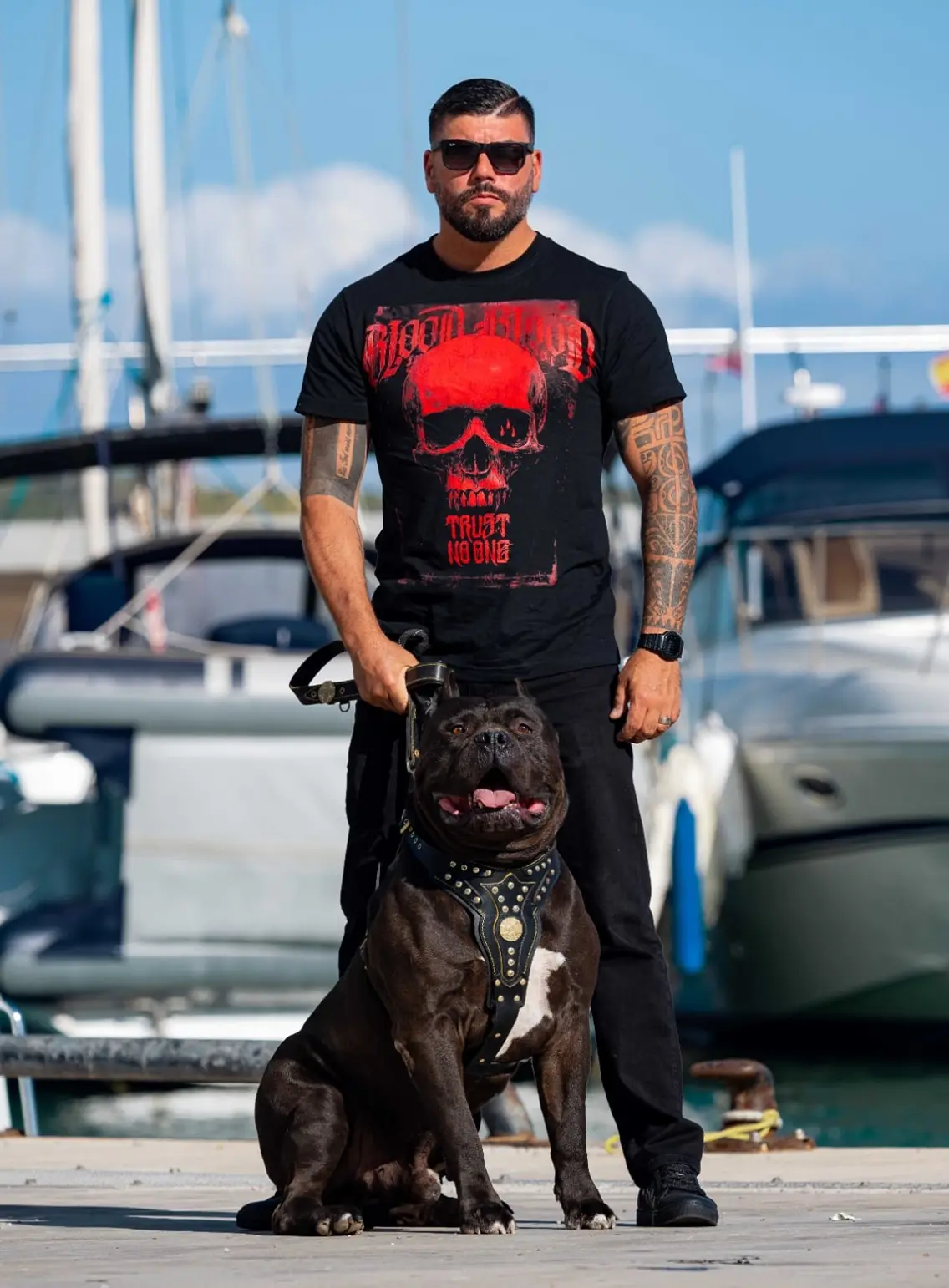
A bulldog isn't just a dog to have on the side; it's a companion for people who have time, a clear mind, and a genuine sense of responsibility
Not every dog is right for every person. If you're unsure, we'll give you personalized, honest advice on whether an American Bully, a planned breeding, or an available puppy is truly a good fit for you and your daily life.


© XXL Luxor Bullys. All rights reserved.